
Vegetables Grown and Sold Within the Same Region
Seasonal vegetables in Cabery for tables that rely on produce harvested at peak ripeness
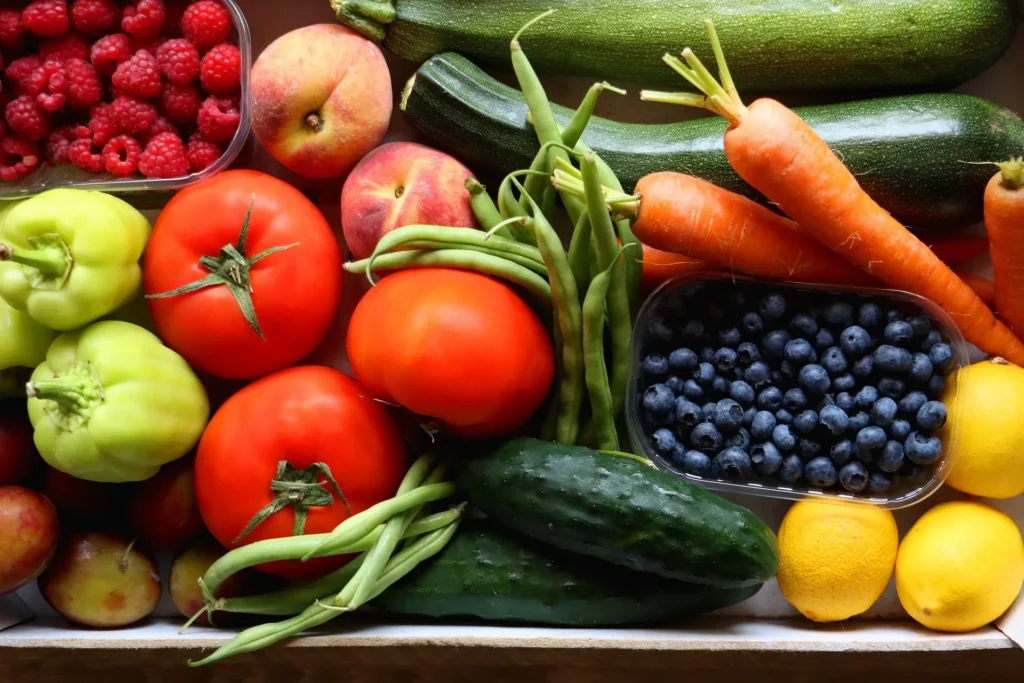
Most grocery store produce travels between four and seven days from harvest to display, during which time vegetables lose moisture through transpiration and convert sugars to starches as they attempt to continue metabolic processes after being cut from the plant. VanWassenhove Farms grows vegetables in Cabery and sells them from the same property, which means the time between picking and purchase often measures in hours rather than days, fundamentally changing how much nutrient density and cellular structure the food retains when it reaches your kitchen. Locally grown vegetables reflect the specific growing conditions of this region, including soil composition and weather patterns that differ from areas where most commercial produce originates.
The selection changes throughout the year because crops mature according to temperature ranges and daylight length, not artificial ripening or controlled-atmosphere storage. Cool-season vegetables like lettuce, spinach, and radishes appear during spring and fall when nighttime temperatures stay low, while heat-loving plants like tomatoes, peppers, and squash produce during summer months when soil temperatures rise above sixty degrees. This natural cycle means certain items remain unavailable for portions of the year, which reflects actual agricultural limitations rather than distribution logistics.
Check with VanWassenhove Farms about which vegetables are currently ready for harvest and available for purchase.
What Changes After Harvest Timing Improves
Vegetables harvested at full ripeness taste noticeably different from those picked early to survive long-distance shipping, because flavor compounds develop fully only when the plant completes its maturation process while still attached to the root system. When you buy seasonal vegetables from a local farm, you receive crops picked within a day or two of optimal ripeness, which maximizes both flavor complexity and nutritional content.
After switching to farm-grown seasonal produce, you notice firmer textures in leafy greens that haven’t wilted from storage time, and more intense flavors in items like tomatoes and peppers that completed their sugar development on the vine. Vegetables stay fresh in your refrigerator for longer periods because they started with higher moisture content and hadn’t already spent days losing cellular integrity during transport and warehouse holding.
Limited availability based on harvest timing means you plan meals around what actually grows during specific months, which connects your food choices to the agricultural reality of the region. Some crops appear for only a few weeks per year, while others produce steadily across longer seasons, creating a shifting inventory that reflects what the soil and climate support at each point in the calendar.
Why Berkshire Genetics Change the End Product
Berkshire pork contains more intramuscular fat distributed throughout the muscle tissue, not just around the edges where it gets trimmed away. This marbling melts during cooking and bastes the meat from the inside, keeping it moist even if you slightly overcook a chop or roast. The breed also produces darker, firmer meat with a different texture than the pale, soft pork common in grocery stores, which affects how it holds up to grilling, braising, and dry-heat roasting methods.
Once the pork is on your plate, you’ll notice richer flavor that doesn’t disappear under mild seasonings and meat that stays tender without brining or marinating beforehand. The fat renders cleanly rather than leaving a greasy residue, and the texture remains firm enough to slice thin for stir-frying or presentation cuts without falling apart.
Certain cuts require advance requests because they’re prepared outside the standard breakdown—whole bone-in loins, specialty chops cut to specific thickness, or fresh belly that hasn’t been cured into bacon. These items tie to individual processing schedules, so confirming availability before committing to a menu or event prevents disappointment when specific cuts aren’t in current inventory.
People purchasing seasonal vegetables from local farms usually ask similar questions about timing and selection.
Answers to Frequent Service Questions
What determines when specific vegetables become available?
Each crop requires specific soil temperatures and day length to germinate, grow, and produce, meaning cool-season crops like peas and lettuce appear during spring when temperatures range between forty and seventy degrees, while warm-season crops need consistent heat above sixty degrees at night.
How long does each vegetable remain available during its season?
Some crops like zucchini produce continuously for months once they start, while others like sweet corn have narrow harvest windows lasting only two to three weeks before quality declines.
When should you preserve vegetables if you want year-round access?
Peak harvest periods in late summer provide the highest volume and best quality for canning, freezing, or fermenting, allowing you to extend seasonal availability through preservation methods.
Why do locally grown vegetables sometimes show cosmetic differences from store-bought versions?
Farm-grown produce matures in field conditions without the chemical treatments and controlled environments used in commercial agriculture, resulting in natural variation in size, shape, and surface appearance that doesn’t affect flavor or nutrition.
How does the Cabery growing season compare to regions that supply grocery stores?
Illinois has a shorter frost-free period than southern states where much commercial produce originates, meaning the local season runs roughly from May through October while imported vegetables arrive year-round from warmer climates.
VanWassenhove Farms grows vegetables that mature according to the natural calendar for this region, with selection changing as different crops reach harvest readiness. Call (815) 674-3034 to find out what vegetables are available this week.